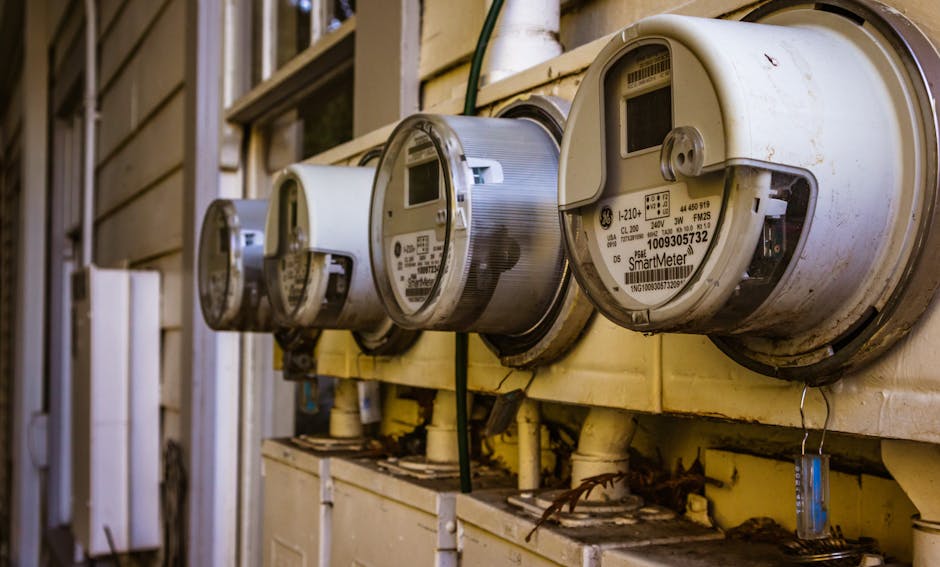
By May 2026 around 38 million smart meters are installed in UK homes — about 70% of all households. The government wants 100% coverage by the end of 2030. Yet most people still don’t know the difference between SMETS1 and SMETS2, what the In-Home Display actually does, or — most importantly — that a working smart meter unlocks time-of-use tariffs that can cut your electricity bill by 30% or more if you use it well.
This guide walks through everything you need to decide whether to get one, what to do if you already have one, and which smart tariff is right for your home.
What is a smart meter?
A smart meter measures your gas and electricity use and sends the readings automatically to your supplier — usually every half hour for electricity and every day for gas. No more estimated bills, no more manual readings, and your supplier can offer tariffs based on the time you use energy, not just the volume.
Most installs include an In-Home Display (IHD) — a small screen that shows live consumption in pounds and pence. It’s free, the supplier has a duty to offer one, and it’s the easiest way to spot which appliances are quietly draining your wallet.
SMETS1 vs SMETS2: what’s the difference?
The UK has had two generations of smart meter. SMETS1 was the early model rolled out from 2012; SMETS2 launched in 2018 and is what every new install uses today.
| Feature | SMETS1 | SMETS2 |
|---|---|---|
| Installed | 2012–2018 | 2018–present |
| UK total (May 2026) | ~11.3 million | ~26.7 million |
| Keeps working when you switch supplier | Now yes (after DCC migration) | Yes — always |
| Connection | Mobile network (supplier-specific) | National DCC network |
| Half-hourly readings | Limited | Yes — full support |
| Time-of-use tariff ready | Sometimes | Yes |
If you have a SMETS1 meter that has lost its smart functionality after switching supplier in the past, it has almost certainly been migrated to the DCC network by now and is working again. If you’re not sure, ask your current supplier — they can confirm whether your meter is sending readings automatically.
Why a smart meter matters: time-of-use tariffs
This is the bit most explainer guides skip. A smart meter on its own doesn’t save you money — what saves you money is using it to access a time-of-use (TOU) tariff, which charges different prices depending on the hour.
Demand on the grid is highest between roughly 4pm and 7pm. Outside those hours — overnight, mid-morning, weekends — wholesale electricity is much cheaper, and TOU tariffs pass that saving on. If you can shift heavy loads (washing machine, dishwasher, EV charging, hot water tank, battery storage) into the cheap periods, the savings are real and recurring.
The main UK time-of-use tariffs in 2026
| Tariff | Supplier | How it works | Best for |
|---|---|---|---|
| Agile Octopus | Octopus Energy | Half-hourly prices follow the wholesale market; peak 4–7pm; can go below 0p | Flexible homes, batteries, EV owners willing to plan |
| Octopus Tracker | Octopus Energy | Daily price following wholesale — same all day, changes once per day | People who want lower bills without daily juggling |
| Octopus Go | Octopus Energy | 5-hour cheap overnight window (e.g. 12.30am–5.30am) at a fixed low rate | EV drivers, overnight storage heaters |
| Cosy Octopus | Octopus Energy | Three cheap windows daily plus one peak — designed for heat pumps | Heat pump and electric heating households |
| Economy 7 | Most major suppliers | Two flat rates: 7 cheap overnight hours, day rate the rest | Storage heaters, off-peak hot water tanks |
| EV Drive | EDF, OVO, others | Cheap overnight window for charging; standard rate the rest of the day | EV households on a non-Octopus supplier |
Agile is the most well-known dynamic tariff and is capped at £1 per kWh, so you can’t get caught out by extreme spikes. On the rare days when wholesale prices go negative, Octopus actually pays Agile customers to use electricity — useful if you have a battery to charge.
Pros and cons of getting a smart meter
| Pros | Cons |
|---|---|
| No more estimated bills or manual readings | Some homes have weak wireless signal — meter may go offline |
| Unlocks time-of-use tariffs (real savings if you can shift load) | Savings only happen if you actually change behaviour |
| IHD shows live spend — useful for spotting wasteful appliances | SMETS1 meters can still go “dumb” in rare migration cases |
| Smart prepay tops up via app, no more keys/cards | Some prepay users have reported forced switches to prepay mode after debt — check terms |
| Free to install — no charge from your supplier | Installation appointment can take 2–4 hours |
How to get a smart meter
- Contact your current supplier. All major suppliers (British Gas, EDF, E.ON Next, OVO, Octopus, Scottish Power, Utilita) install SMETS2 meters free of charge.
- Book an appointment. Both gas and electric meters can usually be replaced on the same visit if access allows.
- Keep the IHD plugged in. Position it within 10 metres of the meter and ideally somewhere you’ll actually look at it — kitchen, hallway, living room.
- Check it’s sending readings. Log in to your supplier’s app or portal a week later and confirm consumption is showing automatically.
- Switch to a smart tariff. This is the step that actually saves money. Compare the tariffs above against your current standard variable rate.
Should you get one?

If you don’t have one yet, the case is simple: you don’t need to do anything weird to benefit, you avoid estimated bills, and you keep the option of moving to a smart tariff later. The only reason to delay is poor wireless signal in your home — and even that is rarely a deal-breaker, because the meter still records consumption locally.
If you already have one and you’re still on a standard variable tariff, you’re leaving money on the table. Run the numbers on Tracker or Cosy if you have an EV or a heat pump, or Agile if you have a home battery. Even Economy 7 still beats standard for households with overnight storage heaters or hot water tanks.
Frequently asked questions
Are smart meters compulsory in the UK?
No. Suppliers have to offer one but you can refuse. The government’s target is 100% installation by the end of 2030, but there’s no fine or penalty if you decline.
Do smart meters cost anything?
The meter and installation are free. The rollout is funded through energy bills generally, so the cost is already baked into your unit rate whether you have one or not.
Can a smart meter be hacked?
SMETS2 meters use a closed national network (the DCC) separate from your home internet, with end-to-end encryption. There has been no successful breach of a UK smart meter to date.
Will a smart meter make my bills go up?
No — the meter just records what you use, the same as a traditional meter. What can change your bill is moving onto a smart tariff. On the right tariff for your usage pattern, bills go down; on the wrong one, they can go up. Always compare before switching.
What if I switch supplier — will my smart meter still work?
Yes for SMETS2. For SMETS1 it should also work now, after the migration to the DCC network completed. If a switch breaks smart functionality, the new supplier is required to fix it.
What’s the difference between Agile and Tracker?
Agile changes price every 30 minutes, with a peak premium between 4–7pm. Tracker changes once per day and the same rate applies all day. Agile rewards active load-shifting; Tracker is set-and-forget for households that just want a lower average price.
The bottom line
A smart meter on its own is just a more accurate meter. The real money is in pairing it with the right time-of-use tariff: Tracker for set-and-forget savings, Agile for active homes with batteries or EVs, Cosy for heat pumps, Go for overnight EV charging. If you’ve got the meter and you’re still on standard variable, that’s the easiest energy bill cut available in 2026.
Karl Johnson is the editor of GetSmartSaver.Uk. Tariff details verified against supplier websites and the BEIS Q4 2025 Smart Meters Statistics Report. Rates and availability change — check direct with the supplier before switching.