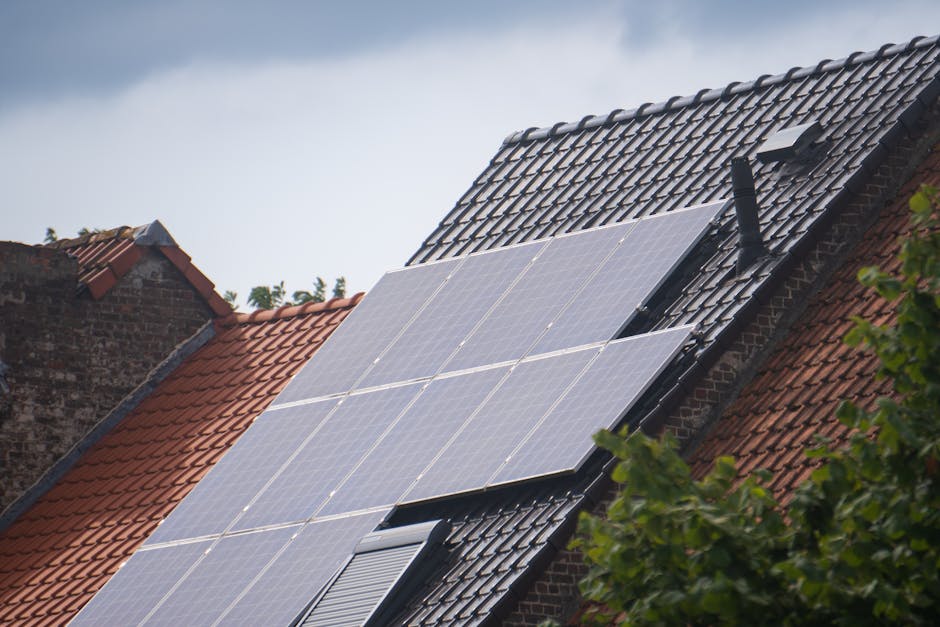
Going solar got cheaper in 2026, but the grant landscape has shifted — and a lot of the “free solar” advertising you’ll see online is misleading. The headline schemes are the Energy Company Obligation (ECO4), which was extended to 31 December 2026; the new government-funded Warm Homes Plan (including the Warm Homes: Local Grant) that is taking over from it; the Boiler Upgrade Scheme, worth £7,500 towards a heat pump; and 0 per cent VAT on solar PV, batteries and heat pumps until 31 March 2027. Genuinely free solar panels exist, but almost always through an energy-efficiency obligation for eligible low-income households — not for everyone. Here’s the accurate 2026 guide to what’s available, who qualifies, and how to claim.
UK Solar & Energy Grants 2026 at a Glance
| Scheme | What it covers | Who qualifies | Status (June 2026) |
|---|---|---|---|
| ECO4 (Energy Company Obligation) | Insulation, heating upgrades, sometimes solar PV (where it cuts heating costs) | Low-income households on means-tested benefits; poor EPC (D–G); LA Flex referrals | Extended to 31 Dec 2026 |
| Warm Homes: Local Grant | Insulation, solar PV, battery storage, heat pumps — fully funded | Low-income (benefits or income under ~£36k) homeowners, EPC D–G, in England | Live; runs to 31 Mar 2028 |
| Boiler Upgrade Scheme (BUS) | Air-source & ground-source heat pumps (NOT solar) | Any homeowner in England & Wales, regardless of income | Active to 2028 |
| Great British Insulation Scheme | Loft & cavity-wall insulation | Was EPC D–G + lower council-tax bands | Closed 31 Mar 2026 |
| 0% VAT relief | Solar PV, batteries, heat pumps + labour | All residential properties (no means test) | Until 31 Mar 2027 |
| Smart Export Guarantee (SEG) | Payments for surplus solar exported to the grid | Anyone with eligible solar (MCS-certified, up to 5MW) | Active; rates set by suppliers |
Is “Free Solar” Actually Real?
Yes — but for a narrow group. The fully funded “free solar panels” you see advertised come through energy-efficiency obligation schemes (ECO4 and the new Warm Homes: Local Grant) and are aimed squarely at low-income households on means-tested benefits or with a low household income, living in a poorly insulated home. If you’re a typical owner-occupier on an average income, there is no universal “free solar” grant. What you get instead is 0 per cent VAT (saving roughly £1,000–£1,500 on a typical install) and the ability to earn money back through the Smart Export Guarantee. Be wary of any installer promising free panels to all — that is a sales tactic, not a government scheme.
ECO4 and Its Successor, the Warm Homes Plan
ECO4 is the current Energy Company Obligation, funded by a levy on the largest energy suppliers. It was originally due to end in March 2026 but has been extended to 31 December 2026. It pays for energy-efficiency measures — mainly insulation and heating upgrades, and occasionally solar PV where it directly reduces heating costs — for eligible low-income households in homes with a poor EPC rating (typically band D or worse).
Crucially, there is no “ECO5”. Rather than launch another supplier obligation, the government has shifted to its own funding through the Warm Homes Plan — a multi-year, multi-billion-pound programme aiming to upgrade millions of homes by 2030. The household-facing strand most people will use is the Warm Homes: Local Grant, delivered through local councils in England and running to 31 March 2028. It can provide up to roughly £30,000 of fully funded upgrades — insulation, solar PV, battery storage and heat pumps — for eligible low-income households.
You may qualify for ECO4 or the Warm Homes: Local Grant if:
- You receive certain means-tested benefits (Universal Credit, Pension Credit, Income Support, income-based ESA/JSA, Tax Credits, Housing Benefit)
- Your household income is below roughly £36,000 a year and your home is EPC band D, E, F or G
- You’re referred under the LA Flex (local authority flexibility) route — criteria are set locally and vary by council
Apply through your local council’s Warm Homes page, your energy supplier’s ECO portal, or an Ofgem/MCS-registered installer who can check eligibility for you. For households that don’t qualify for free help, the government is developing a low- or zero-interest loan route under the wider Warm Homes Plan, with details expected later in 2026.
Boiler Upgrade Scheme: £7,500 Towards a Heat Pump (Not Solar)
It’s a common point of confusion, so to be clear: the Boiler Upgrade Scheme (BUS) covers heat pumps, not solar panels. It is open to most homeowners in England and Wales regardless of income, and the grant is deducted directly from your installer’s invoice — you never pay it upfront and claim it back. In 2026 the grants are:
- £7,500 off an air-source heat pump (air-to-water)
- £7,500 off a ground-source heat pump
- £9,000 for households moving off oil or LPG (an enhanced rate introduced in April 2026 for off-gas-grid homes)
- £5,000 off a biomass boiler (rural, off-gas-grid properties only)
You’ll need an MCS-certified installer to apply on your behalf, and since 2024 any EPC rating qualifies. With a typical air-source heat pump costing roughly £9,000–£13,000 installed, the grant can bring your out-of-pocket cost down to around £1,500–£5,500. The scheme is administered by Ofgem and is currently funded through to 2028.
0% VAT on Solar, Batteries and Heat Pumps
The 0 per cent VAT relief on energy-saving materials is in force until 31 March 2027, after which it is currently scheduled to return to 5 per cent. Unlike the grants above, there is no means test — it applies to every residential property. It covers:
- Solar photovoltaic (PV) panels and inverters
- Battery storage systems — including retrofit batteries added to existing arrays
- Air-source and ground-source heat pumps
- Insulation, draught-proofing and heating controls
- Installation labour, scaffolding, mounting and cabling when supplied as a single contract by the installer
On a typical 4kW solar PV install costing around £7,000–£8,000, the VAT relief saves roughly £1,000–£1,500. Because the relief is scheduled to expire at the end of March 2027, installing before then locks in the maximum saving — though figures and policy timelines change, so confirm the current rate before you commit.
How Much Can You Save with Solar in 2026?
Savings depend heavily on your roof, usage pattern, whether you add a battery, and your export tariff. The figures below are illustrative ranges for an average UK household — treat them as a guide, not a quote.
| System | Install cost (after 0% VAT) | Annual bill saving | Indicative payback |
|---|---|---|---|
| 4kW solar PV (no battery) | £6,500–£8,000 | £400–£700 | 10–13 years |
| 4kW solar PV + 5kWh battery | £9,500–£12,000 | £700–£1,100 | 9–12 years |
| Air-source heat pump (after BUS grant) | £1,500–£5,500 net | Varies vs old gas/oil system | Long; depends on prior fuel |
Smart Export Guarantee: Get Paid for Spare Solar
Under the Smart Export Guarantee (SEG), every licensed supplier with more than 150,000 customers must offer at least one tariff that pays you for surplus electricity you export to the grid. You can switch your export tariff independently of who supplies your electricity, and there’s no penalty for switching. Rates change frequently, so check current offers before committing — as a snapshot of mid-2026:
- Octopus Outgoing Fixed — around 12p per kWh flat (cut from 15p in March 2026); you don’t have to be an Octopus import customer
- Octopus Flux / Intelligent Flux — variable, with peak export up to roughly 28–32p per kWh in the evening peak (best with a battery and Octopus import)
- E.ON Next Export Exclusive — around 16.5p per kWh (requires bundling with E.ON import)
- British Gas Export & Earn Plus — around 15p per kWh when bundled with import
- EDF Export tariffs — fixed options around 12–15p per kWh for EDF import customers
Households without a battery generally do best on a flat fixed rate; those with a battery can time exports to the evening peak and earn far more on a variable tariff.
How to Decide Which Route Is Right for You
We mapped these schemes against the most common UK household situations rather than just listing them. Use this quick decision framework:
- On means-tested benefits or a low income with a draughty home? Check the Warm Homes: Local Grant and ECO4 first — you may get insulation, solar or a heat pump fully funded.
- Replacing an old gas, oil or LPG boiler? The Boiler Upgrade Scheme (£7,500, or £9,000 off-gas-grid) is the headline grant — but model your running costs first, as a heat pump suits well-insulated homes best.
- An owner-occupier on an average income who just wants solar? There’s no free grant for you, but 0 per cent VAT plus SEG income still makes the numbers work — get at least three MCS-certified quotes.
- Adding a battery? It raises upfront cost but unlocks higher-paying variable export tariffs and bigger bill savings.
Always use an MCS-certified installer (it’s required for grants and SEG eligibility), get multiple quotes, and confirm current grant levels and VAT rates on GOV.UK or with Ofgem before signing — this is a fast-moving area and figures change.

Frequently Asked Questions
Are there free solar panels in the UK in 2026?
Genuinely free solar is available only through energy-efficiency schemes — the Warm Homes: Local Grant and ECO4 — for low-income households on means-tested benefits or with a low income (broadly under £36,000) and a poor EPC rating (D–G). Everyone else pays for installation but benefits from 0 per cent VAT until 31 March 2027 and can earn money back via the Smart Export Guarantee. Adverts promising free panels for all are a sales tactic, not a government scheme.
Is there an ECO5 scheme replacing ECO4?
No. ECO4 was extended to 31 December 2026, and there is no “ECO5” supplier obligation. Instead the government is funding upgrades directly through the Warm Homes Plan, including the Warm Homes: Local Grant delivered by councils in England, which runs to 31 March 2028 and can fund insulation, solar, batteries and heat pumps for eligible households.
Does the Boiler Upgrade Scheme cover solar panels?
No — the Boiler Upgrade Scheme covers heat pumps and (in rural off-grid cases) biomass boilers, not solar PV. In 2026 it pays £7,500 towards an air-source or ground-source heat pump, with an enhanced £9,000 for homes moving off oil or LPG. The grant is deducted from your installer’s invoice; you never pay it upfront.
When does 0% VAT on solar panels end?
The 0 per cent VAT rate on solar PV, batteries and heat pumps applies until 31 March 2027, after which it is currently scheduled to return to 5 per cent. There’s no income test — it applies to all residential properties. Installing before the deadline locks in the saving, but always confirm the current rate, as policy can change.
How much can I earn from selling solar power back to the grid?
Through the Smart Export Guarantee you can earn roughly 12–16p per kWh on a flat fixed tariff, or up to around 28–32p per kWh at peak times on a variable tariff if you have a battery. You can choose your export tariff independently of your electricity supplier, so it’s worth comparing rates regularly as they change.
Last reviewed: June 2026.
This article is general information, not financial advice. Grant levels, eligibility rules and VAT rates change — always confirm the latest details on GOV.UK or with Ofgem and a qualified installer before making a decision.
Related Articles
- Ofgem Price Cap April 2026: What the Energy Bill Drop Really Means
- Best Energy Tariffs UK 2026: How to Cut Your Bills Today
- Octopus Energy Review 2026