Sunshine and warm evenings are welcome, but a prolonged UK heatwave brings risks that go well beyond sunburn. The ground beneath your home can shift, pipes can fail under temperature stress, and a sudden summer downpour after weeks of dry weather can overwhelm drains and send water rushing under your front door. According to the Association of British Insurers (ABI), domestic subsidence payouts alone hit a record £307 million in 2025 — driven largely by that year's hottest-ever UK summer — while total property insurance claims across the year reached a record £6.1 billion.
If you live in England or Wales, especially on clay-heavy ground, now is exactly the right moment to check what your policy actually covers, understand the excesses that apply, and make sure you are not paying more than you need to. This guide covers everything you need to know.
Why Summer Is Riskier Than You Think
Most people associate home insurance claims with winter storms or burst pipes during a cold snap. Summer, though, creates its own set of hazards — and some of them are far more expensive to fix than a broken fence panel.
- Subsidence — the ground shrinks as moisture leaves clay soils during dry spells, pulling foundations downward.
- Flash flooding — hard, baked ground cannot absorb sudden heavy rain, causing surface-water floods that can pour into properties.
- Escape of water — temperature swings and pressure changes stress pipework, and expanded soil can damage underground supply pipes.
- Garden and outbuilding theft — longer daylight hours mean more outdoor activity, but they also mean garden equipment, bikes and outdoor furniture are more exposed, and windows left open invite opportunist intruders.
- Storm damage — the UK's increasingly volatile summer weather produces localised storms that lift roof tiles and fell trees onto structures.
Subsidence: The Heatwave Risk That Could Cost Thousands
Subsidence is when the ground beneath your property sinks, dragging the foundations with it. It is most common on clay soils, which shrink dramatically when they dry out in hot weather, and worsen further when tree roots draw moisture from the ground nearby. The Met Office confirmed summer 2025 as the warmest on UK record, and the knock-on effect was immediate: the ABI reported that subsidence claims totalled £153 million in the first half of 2025 alone, with almost 9,000 households supported in those six months. The average payout per claim was £17,264.
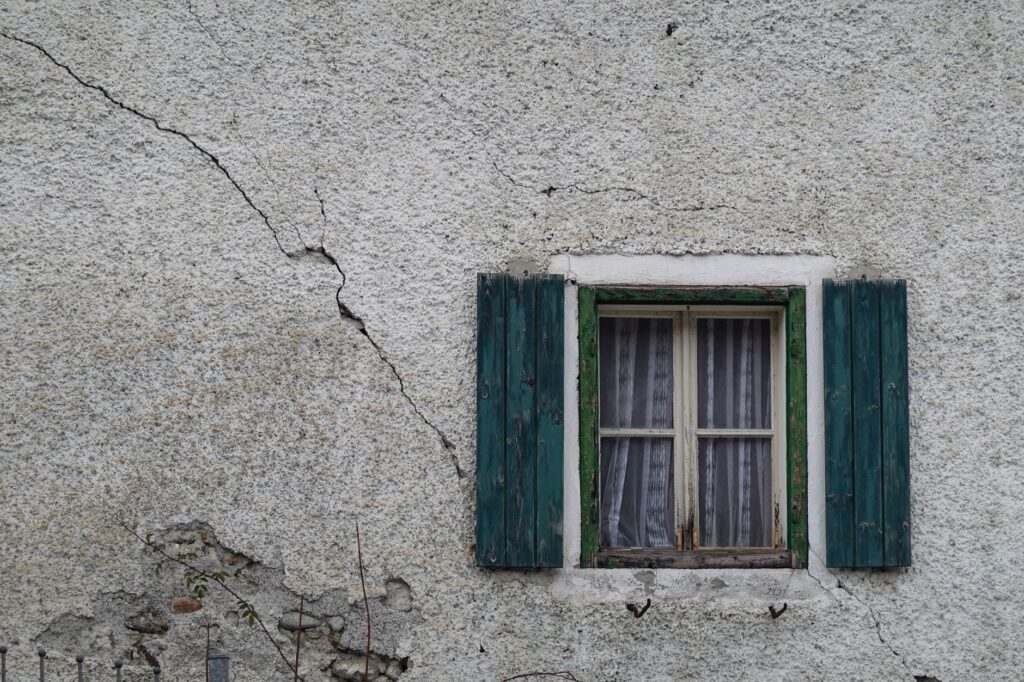
The tell-tale signs to look out for are diagonal cracks that are wider at the top than the bottom, more than 3 mm wide (roughly the depth of a £1 coin), and visible both inside and outside the wall. Sticking doors or windows without any obvious cause can also be a sign. If you notice these, contact your insurer straight away — do not wait and hope it resolves itself.
The Subsidence Excess: Be Prepared for a Large First Payment
Here is the part of subsidence cover that catches many homeowners by surprise. While a standard home insurance excess might be £100 to £500, subsidence excesses typically start at £1,000, according to ABI guidance. Some policies set the subsidence excess even higher, particularly if the property has a history of movement. This means that if you make a subsidence claim, you will personally cover the first £1,000 or more of repair costs before your insurer contributes anything. Given that average payouts are over £17,000, you will almost certainly still benefit — but you need to have that excess amount readily available.
Storm and Flash-Flood Damage After a Dry Spell
Counterintuitively, a summer storm after a prolonged dry period is one of the most damaging weather events a UK home can face. Parched soil cannot absorb rainfall quickly, so water sits on the surface and flows toward the lowest point — which is often your property. In 2025, domestic flood claims rose by 38% to £312 million, and the average flood payout to a homeowner jumped by 60% to £30,000 (ABI, February 2026). Storm damage to homes reached £244 million — up 32% year on year — with an average storm-damage payout of £2,450.
Standard buildings insurance covers storm damage — including roof tiles, windows and structural damage from falling trees. However, the definition of a 'storm' is important: insurers typically require evidence of significant wind or rainfall, so a single heavy shower may not qualify. Surface-water flooding from blocked drains is often covered under buildings insurance, but always read the specific wording of your policy. Contents insurance generally covers possessions damaged by flood water, though some policies exclude certain valuable items or require you to have taken reasonable precautions.
Escape of Water: The Year-Round Threat That Peaks in Summer
Escape of water — the insurance term for leaking or burst pipes, overflowing baths and failing seals — is the single most common home insurance claim in the UK, accounting for almost one in three claims (28.63% in 2024, according to GoCompare data). Insurers pay out an estimated £1.8 million every day for escape-of-water damage. Average claim costs range from around £2,600 for moderate incidents to £25,000 or more for severe burst pipe damage that soaks through floors and ceilings.
In summer, the risk profile shifts. While frozen pipes are a winter concern, warm weather can dry out pipe joints and cause seals to fail. Leaving a property unoccupied during a holiday is a particular danger: most policies require you to turn off your stop-cock and drain down pipes if you are away for more than a set period (often 30 or 60 days), and failing to do so can invalidate a claim. Check your policy wording before you go away.
Garden, Outbuilding and Summer Theft Risks
Summer brings people — and their belongings — outside. Garden tools, lawnmowers, bicycles, barbecues and patio furniture all become targets for opportunist thieves during the warmer months. Most contents insurance policies extend cover to items kept in a shed or outbuilding, but the limits are often low — typically £1,000 to £2,500 — and individual high-value items such as bicycles usually need to be listed separately or covered by an add-on.
Check your policy on these specific points:
- Is garden equipment covered if stolen from an unlocked shed? Most policies require the shed to be locked.
- Are bicycles listed individually or covered under a blanket limit?
- Does your policy cover items left temporarily in the garden — for example, a mower left out overnight?
- Are outdoor furniture or built-in garden features such as hot tubs covered under buildings or contents?
Summer Risk at a Glance: What Is Covered and What Is the Typical Excess?
| Risk | Covered by | Typical excess | Key caveat |
|---|---|---|---|
| Subsidence / heave / landslip | Buildings insurance | ~£1,000 (can be higher if prior history) | Driveways and garden walls not usually covered unless house also damaged |
| Storm damage (roof, windows, structure) | Buildings insurance | £100–£500 (standard) | Insurer may require evidence of storm conditions; poor maintenance can void claim |
| Flash-flood / surface-water flooding | Buildings + contents | £100–£500 standard; may be higher in flood-risk areas | Check if 'escape of water' and 'flooding' are listed separately |
| Escape of water / burst pipes | Buildings + contents | £100–£500 standard; some policies have higher escape-of-water excess | Unoccupied home rules apply — check your policy if going on holiday |
| Garden / shed theft | Contents insurance | £100–£500 standard | Shed usually must be locked; bicycles often need separate listing |
| Opportunist home theft (open windows) | Contents insurance | £100–£500 standard | Some policies will not pay if entry gained through an unlocked door or window |
Summer Insurance Claims by Average Payout (ABI 2025 Data)
How to Cut Your Home Insurance Premium Without Losing Cover
The good news is that average home insurance premiums are easing. ABI data shows the average combined buildings and contents policy in Q4 2025 cost £379 — £14 lower than the same period in 2024. But averages mask a wide range, and there is plenty you can do to push your own premium down further.
1. Do Not Auto-Renew — Shop Around Every Year
Auto-renewal is one of the most expensive habits in personal finance. Insurers routinely offer new customers better rates than existing ones. Use a comparison site to get quotes at least three to four weeks before your renewal date — research from Go.Compare suggests that buying cover 29 days before renewal can be meaningfully cheaper than buying on renewal day itself, with last-minute buyers sometimes paying 17% more.
2. Pay Annually, Not Monthly
Paying your premium in monthly instalments is essentially a loan from your insurer, with interest added. Paying the full annual amount upfront removes that cost and is almost always cheaper overall — sometimes by 10% to 15%.
3. Increase Your Voluntary Excess
Agreeing to pay a higher voluntary excess reduces your insurer's risk and brings your premium down. For example, increasing your excess from £250 to £500 on standard claims could shave a noticeable amount off your annual cost. Be careful, though: do not set an excess you could not genuinely afford to pay in the event of a claim.
4. Improve Your Home Security
Fitting a professionally monitored burglar alarm, Thatcham-approved window locks, and five-lever mortice deadlocks on external doors can all reduce your premium. Some insurers offer specific discounts for alarms that automatically alert a monitoring centre or the police. Ask your insurer exactly which security measures qualify for a reduction before you invest.
5. Get Buildings and Contents Together
Buying a combined buildings and contents policy from a single insurer is often cheaper than holding two separate policies. It also simplifies claims where both the structure and possessions are damaged — for example, after a flood.
6. Avoid Over-Insuring Your Contents
Contents cover is based on the value of everything you own inside your home. Many households over-estimate this figure, which drives premiums up unnecessarily. Do a room-by-room audit of your possessions. Equally, do not under-insure — if your total is too low, your insurer may only pay a proportional amount of any claim.
What to Do If You Need to Claim This Summer
Acting quickly and correctly at the point of a claim can make a significant difference to your outcome.
- Contact your insurer immediately. Do not delay, especially with subsidence — the ABI explicitly advises contacting your insurer as soon as you suspect a problem. Early action allows the insurer to commission specialist investigations and monitor movement before deciding on repairs.
- Document everything. Photograph all damage before any cleaning up or temporary repairs. Keep records of any costs you incur, such as emergency plumbing or temporary accommodation.
- Do not start permanent repairs without insurer approval. Carrying out your own repairs before the insurer's assessor has visited may affect your claim. Temporary measures to prevent further damage are generally fine — keep receipts.
- Check your alternative accommodation cover. If your home becomes uninhabitable (for example, due to severe flooding or structural subsidence damage), most buildings policies include cover for temporary accommodation costs up to a percentage of your total sum insured.
- If you disagree with the outcome, you can escalate to the insurer's complaints procedure, and if unresolved, to the Financial Ombudsman Service (FOS), which is free to use.
Check your home insurance policy today
Summer is the ideal time to review your cover, check your excesses, and make sure you are not auto-renewing at an inflated rate. GetSmartSaver has guides to help you compare and save on all your household bills.
Explore money-saving guides at GetSmartSaver
Frequently Asked Questions
Is subsidence always covered by buildings insurance?
Standard buildings insurance policies in the UK do cover damage caused by subsidence, heave and landslip. However, the cover comes with a high excess — typically around £1,000 — and damage to standalone driveways, patios or garden walls is usually excluded unless the main house structure is also affected. If your property has a history of subsidence, cover may be harder to obtain or come with a significantly higher excess. Always declare previous subsidence issues when applying for a policy.
Will my insurance pay out if my home floods after a summer storm?
In most cases, yes — both storm damage and subsequent flood damage are covered under a standard buildings policy, and flood damage to contents is covered under contents insurance. The key tests are whether the event qualifies as a 'storm' under your policy definition and whether you maintained the property adequately beforehand. Clearing gutters, checking roof tiles and ensuring drains are unblocked before summer is not only good housekeeping — it is often a condition of your policy and could be the deciding factor in a claim.
What happens to my insurance if I leave my home empty during a summer holiday?
Most home insurance policies have an 'unoccupied property' clause. If your home is empty for more than a set period — commonly 30 or 60 consecutive days — your cover may be restricted or even invalid. The requirement typically includes turning off the water at the stopcock. For shorter holidays, it is good practice to ask a neighbour to check in, cancel post and make the house look occupied. If you own a holiday home or rental property, you will usually need specialist unoccupied property insurance.
How do I spot subsidence before it becomes a major problem?
Look for diagonal cracks in external and internal walls that are wider at the top than the bottom and more than 3 mm wide (roughly the depth of a £1 coin). Doors or windows that suddenly stick without a damp or swelling explanation can also be a sign, as can wallpaper crinkling in areas that are not damp. If in doubt, contact a structural surveyor for an opinion before contacting your insurer. Acting early prevents minor movement from becoming costly structural failure.
Can I reduce the risk of subsidence myself?
To some extent, yes. If you live on clay soil, managing trees and large shrubs close to your property is important — their root systems extract significant amounts of moisture from the ground during dry spells, accelerating soil shrinkage beneath your foundations. The ABI recommends seeking professional advice from an arborist before removing or pruning significant trees. Keeping gutters clear, maintaining drains and fixing any plumbing leaks promptly all help to maintain stable ground moisture levels around your home's footprint.
This article is for general information only and does not constitute financial advice. Policy terms, excesses and claim procedures vary between insurers — always read your own policy wording carefully. Figures cited are sourced from ABI data published in 2025 and 2026 and are accurate as of June 2026. Speak to a regulated insurance adviser if you need personal recommendations.