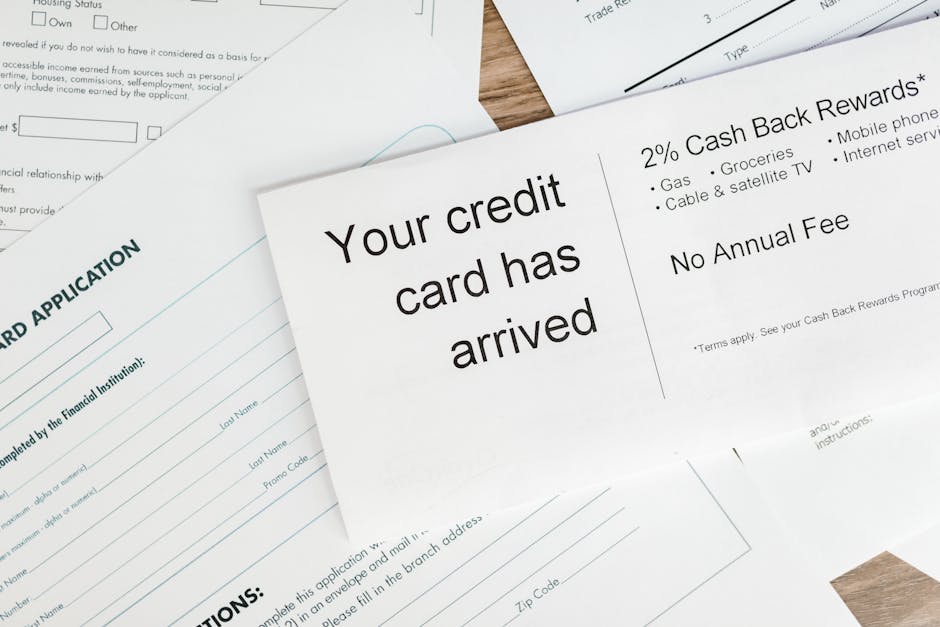
Rewards credit cards turn everyday spending into points, airline miles or shop vouchers. Unlike a pure cashback card, which simply hands back a percentage in cash, a rewards card pays you in a currency – Avios, Membership Rewards points, Virgin Points or Clubcard points – that can be worth a little or a lot, depending on how you redeem it. Used well, the right card can fund a flight upgrade or a weekly shop. Used carelessly, the value leaks away in interest charges.
This guide compares the best UK rewards cards for 2026, explains how to value the points you earn, and sets out the rules that keep a rewards card profitable. Welcome bonuses and fees change frequently, so always confirm the current terms on the provider’s site before you apply.
Types of Rewards Credit Cards
UK rewards cards fall into four broad groups. Knowing which one fits your spending is more important than chasing the biggest headline bonus.
- Flexible points cards: Earn a transferable currency — chiefly American Express Membership Rewards — that you can move to airline and hotel partners or spend on statement credit and gift cards. The most versatile option.
- Airline cards: Earn miles directly with one airline scheme, such as British Airways Avios or Virgin Atlantic’s Virgin Points. Best if you already fly that airline.
- Hotel cards: Earn points in a hotel loyalty programme such as Marriott Bonvoy or IHG One Rewards. A niche choice in the UK, with fewer cards available than in the US.
- Retail and supermarket cards: Earn vouchers or loyalty points with a specific retailer — Tesco Clubcard, the John Lewis Partnership Card or Nectar. Simple, predictable value if you shop there anyway.
How We Chose and How to Value Rewards
Picking a rewards card is not about the size of the welcome bonus alone. We weighed each card on four things: the realistic cash value of a typical year’s earnings, the annual fee, the practical worth of any perks, and how easy the points are to spend. Here is the method we use, and that you can apply to your own spending.
- Estimate your annual card spend. Be honest about what you can route through one card, including bills that accept card payment.
- Apply the earn rate. Multiply spend by the points-per-pound rate to see how many points or miles you would collect.
- Value the points. This is where most people go wrong. Avios are typically worth around 0.8p to 1.5p each depending on the redemption; Amex Membership Rewards points convert 1:1 to Avios and several other schemes, so carry a similar range; Virgin Points are broadly comparable. Retailer points are usually fixed — John Lewis and Tesco Clubcard points are worth roughly 1p each at face value, though Clubcard Reward Partners can multiply that.
- Add the welcome bonus and perks. Spread a one-off bonus over the time you expect to hold the card, and value perks at what you would actually use — an unused lounge pass is worth nothing.
- Subtract the annual fee. If the total still beats a flat 1% cashback card, the rewards card earns its place.
A sensible rule of thumb: treat airline miles as worth about 1p each unless you have a concrete plan to redeem them for premium-cabin flights, where the value can climb well above that. Do not bank on best-case valuations you may never achieve.
Best Rewards Credit Cards UK 2026
The table below summarises the leading rewards cards and their standard terms. Boosted welcome bonuses appear regularly — in early 2026, for example, the Amex Gold bonus was temporarily lifted to 40,000 points and the BA Premium Plus to 50,000 Avios — so check for an enhanced offer before applying.
| Card | Standard Welcome Bonus | Earn Rate | Annual Fee | Best For |
|---|---|---|---|---|
| Amex Preferred Rewards Gold | 20,000 points (after £3,000 spend in 3 months) | 1 point per £1 | Free yr 1, then £195 | Flexible points & travel perks |
| Free British Airways Amex | 5,000 Avios (after £2,000 spend in 3 months) | 1 Avios per £1 | None | Casual BA flyers |
| BA Amex Premium Plus | 30,000 Avios (after £6,000 spend in 3 months) | 1.5 Avios per £1 (3 on BA) | £250/year | High spenders flying BA |
| Virgin Atlantic Reward (free) | 3,000 Virgin Points (after £1,000 spend in 90 days) | 0.75 points per £1 | None | Casual Virgin flyers |
| Virgin Atlantic Reward+ | 18,000 Virgin Points (after £3,000 spend in 90 days) | 1.5 points per £1 | £160/year | Frequent Virgin flyers |
| Tesco Clubcard Credit Card | None | 5 pts per £4 in Tesco, 1 pt per £8 elsewhere | None | Regular Tesco shoppers |
| John Lewis Partnership Card | None | 1.25% at JL/Waitrose, 0.25% elsewhere | None | John Lewis & Waitrose regulars |
The Amex Preferred Rewards Gold: Best All-Rounder
For most people new to rewards cards, the Amex Preferred Rewards Gold is the natural starting point. It is free in year one, carries a useful welcome bonus, and earns Membership Rewards points — the most flexible rewards currency in the UK. Points transfer at 1:1 to British Airways Avios and Virgin Points, and convert to a range of other airline and hotel schemes, so you are not locked into a single airline.
You earn 1 point per £1 spent, with periodic bonus points for hitting annual spend thresholds (the structure of these tiers was trimmed in late 2025, so check the current terms). After the first year the £195 fee has to justify itself. The card includes airport lounge passes and a monthly dining credit, among other perks; if you would use those and spend enough to clear the fee in points, it stays worthwhile. If not, you can usually downgrade to a fee-free Amex that still earns Membership Rewards points.
British Airways Avios: Best for Regular UK Flyers
If you fly British Airways, Iberia or partner airlines, an Avios card makes sense. The free British Airways American Express charges no annual fee and earns 1 Avios per £1. Spend £15,000 in a card year and you receive a Companion Voucher, letting a second person fly on the same Avios redemption for just the taxes and charges — though on the free card this is limited to economy cabins.
Heavier spenders may prefer the BA Amex Premium Plus. It costs £250 a year but earns 1.5 Avios per £1 (and 3 Avios per £1 on BA flights and holidays), and its Companion Voucher can be used in premium cabins, where Avios value is highest. The fee only pays off if you spend heavily and fly BA in business or first; otherwise the free card is the smarter pick.
Supermarket and Retailer Cards: Simple, Predictable Value
If frequent-flyer points feel like hard work, a retailer card delivers straightforward value. The Tesco Clubcard Credit Card earns 5 points per £4 spent in Tesco and 1 point per £8 elsewhere, with no annual fee; Clubcard points convert to Reward Partners at up to three times face value. Note that the separate Clubcard Pay+ product was withdrawn in 2026, so the standard credit card is now the route to earning Clubcard points on outside spending.
The John Lewis Partnership Card returns 1.25% at John Lewis and Waitrose and 0.25% elsewhere, paid as vouchers worth 1p per point. For Nectar collectors the picture shifted in 2026: Sainsbury’s Bank stopped issuing its own credit cards, leaving American Express as the main way to earn Nectar points on a card, with a new NatWest Nectar card arriving following the NatWest–Sainsbury’s partnership. Check what is open to new applicants before relying on any one of these.
Rewards vs Cashback: Which Should You Choose?
Rewards cards can beat cashback when points are redeemed well — particularly for premium-cabin flights, where Avios or Virgin Points can be worth several pence each rather than the roughly 1p a cashback card pays. The catch is effort: you have to collect, track and redeem points strategically to capture that value.
Cashback wins on simplicity and certainty. There is no points currency to value and nothing to redeem — the money lands on your statement. Many experienced cardholders run both: a rewards card for the bulk of their spending and a cashback Visa or Mastercard as backup for the merchants who do not take Amex.
The Rules That Keep a Rewards Card Profitable
Rewards only count if they exceed what the card costs you. Two rules matter most.
- Always pay in full each month. Rewards cards carry high representative APRs, often around 30%. Interest on a carried balance will wipe out any points you earn, several times over. If you ever carry a balance, a low-rate or 0% card is the better tool.
- Meet the welcome-bonus spend — but don’t overspend to do it. The bonus is usually the most valuable thing you will earn, but only if you would have made the purchases anyway. Manufacturing spend to hit a target is a losing game.
Two more points worth knowing. First, do not fire off several card applications in a short window — multiple hard searches can dent your credit score and some issuers limit bonuses to once per customer. Second, paying by credit card brings Section 75 protection: for purchases over £100 and up to £30,000, the card issuer is jointly liable with the retailer if something goes wrong, even if you only paid a deposit on the card. That protection is a genuine benefit of spending on a rewards card rather than a debit card, provided you clear the balance.
Bottom Line
The best rewards card in 2026 depends on how you spend and where you want the rewards to go. For flexibility, the Amex Preferred Rewards Gold is the strongest all-rounder; for BA flights, the free British Airways Amex is hard to beat, with the Premium Plus reserved for high spenders chasing premium-cabin redemptions. If points feel like a chore, a Tesco Clubcard or John Lewis card gives reliable value with no fee. Whatever you choose, route your regular spending through it, clear the balance in full every month, and check the current welcome offer before you apply — the terms move often.
Frequently asked questions
What is the difference between a rewards card and a cashback card?
A cashback card pays you a percentage of your spending back as cash on your statement. A rewards card pays you in points or miles — such as Avios, Membership Rewards points or Clubcard points — which you then redeem for flights, hotels, vouchers or statement credit. Rewards cards can be worth more than cashback if you redeem points well, but they take more effort and the value is less predictable.
How much is an Avios or a Membership Rewards point worth?
Avios are typically worth around 0.8p to 1.5p each, depending on the flight you redeem them against, with the highest value usually coming from premium-cabin or short-haul redemptions. Amex Membership Rewards points convert 1:1 to Avios and several other schemes, so they carry a similar range. As a cautious benchmark, value airline points at about 1p each unless you have a specific high-value redemption planned.
Is the Amex Gold annual fee worth paying after the first year?
It depends on your spending and how many of the perks you use. The Preferred Rewards Gold is free in year one, then charges £195. The fee is worth it if the value of points you earn, plus perks such as lounge passes and dining credit that you would actually use, comfortably exceeds £195. If not, you can usually downgrade to a fee-free Amex that still earns Membership Rewards points.
Do I need to pay my rewards card off in full every month?
Yes. Rewards cards carry high interest rates, often around 30% APR. If you carry a balance, the interest you pay will far outweigh the value of any points or miles you earn. Rewards cards only make financial sense for people who clear the statement balance in full each month.
Are purchases on a rewards card protected by Section 75?
Yes. Like any UK credit card, a rewards card gives you Section 75 protection on purchases costing more than £100 and up to £30,000. The card issuer is jointly liable with the retailer if the goods are faulty, not delivered, or the company goes bust — and you are covered even if you only paid a deposit on the card. This is a real advantage over paying by debit card.
Related Articles
- Best 0% Purchase Credit Cards UK 2026: Up to 24 Months Interest-Free
- How to Choose the Right Credit Card UK 2026: A Complete Guide for Every Situation
- Best Credit Builder Credit Cards UK 2026: How to Repair Your Score and Get Better Rates
- Best Travel Credit Cards UK 2026: Fee-Free Spending Abroad, Air Miles and Top Picks Compared

Sources and how we checked this
Card rates, fees and eligibility criteria are taken from each lender’s own published summary box, because representative APRs quoted elsewhere are frequently out of date. These are the sources behind the guide.
- FCA Financial Services Register — checking every firm named here is authorised, and under which permissions.
- MoneyHelper – credit and purchases — the government-backed explanation of how credit and Section 75 protection work.
- Financial Ombudsman Service — what to do if a provider gets it wrong and will not put it right.
- StepChange — free debt advice, if borrowing has stopped being a choice.
Last verified: 8 September 2026 by Karl Johnson, who researches and rate-checks every guide on this site personally. Figures that could not be traced to one of the sources above have been removed rather than hedged. If something here is out of date, email team@getsmartsaver.co.uk — we check it against the primary source and correct the page the same week.
GetSmartSaver.Uk is published by a sole trader, is not regulated by the FCA, and does not give personal financial advice. Some links earn a commission; that never affects which products appear or how they are ranked.