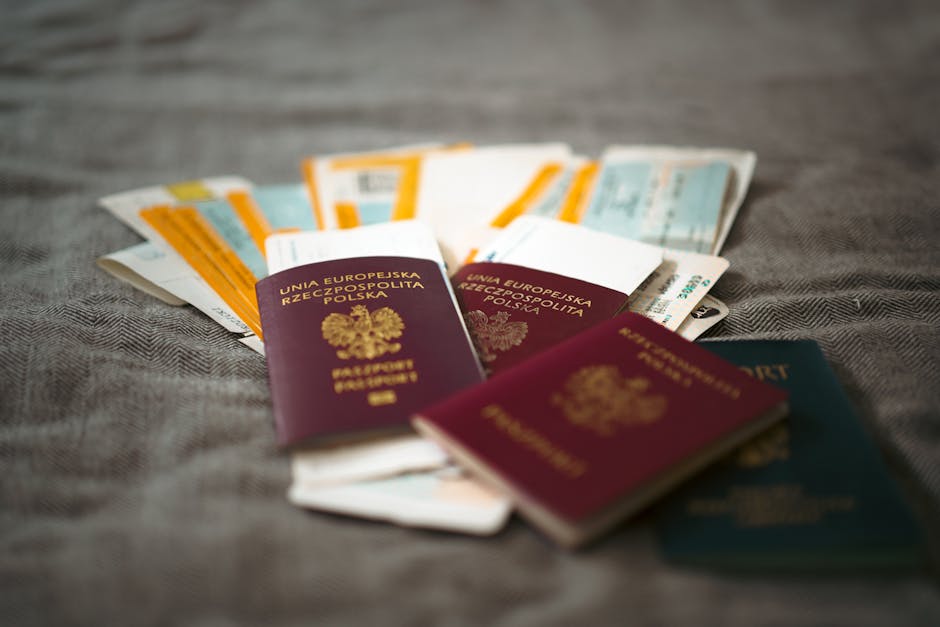
If you are a UK passport holder planning a trip to Europe in 2026, the way you cross the border is changing. After years of delays, the EU’s Entry/Exit System (EES) began its phased rollout on 12 October 2025 and becomes fully operational at every external Schengen border crossing from 10 April 2026. A second scheme, ETIAS — a pre-travel authorisation a bit like the US ESTA — is expected to follow in the last quarter of 2026. This guide explains exactly what is changing, what it costs, when you need to act, and how to keep your holiday spending down while you are over there.
Neither system is a visa, and neither changes your right to visit the EU for short stays. But both add an extra step at the border, and ETIAS will cost money. Knowing the rules now means no nasty surprises at the airport later.
EES and ETIAS: two different systems
It is easy to confuse the two, but they do separate jobs. EES records your entry and exit at the border using biometrics. ETIAS is an online travel permit you buy in advance. The table below shows how they compare.
| Feature | EES (Entry/Exit System) | ETIAS (Travel Authorisation) |
|---|---|---|
| What it is | Automated border registration replacing passport stamps | Pre-travel online authorisation to enter |
| When you deal with it | At the border, on arrival | Before you travel, online or via app |
| Cost | Free | €20 (free for under-18s and over-70s) |
| What it captures | Fingerprints, facial image, entry/exit dates | Passport details, security and migration checks |
| Status (June 2026) | Live, phased since Oct 2025; full from 10 Apr 2026 | Expected Q4 2026 — not yet live |
| Valid for | Data held 3 years from last trip | 3 years, or until passport expires |
What is the EES and what changes at the border?
The EES is an automated IT system that registers non-EU travellers — including UK citizens — every time they cross an external Schengen border. Instead of an officer stamping your passport by hand, you scan your document at a self-service kiosk. The system records your name, travel document, biometric data (fingerprints and a facial image) and the date and place of each entry and exit.
The first time you cross a border under EES, your fingerprints and photo are taken and stored. On later trips the process should be quicker, as your biometrics are already on file. The data is normally erased three years after your most recent trip. Children under 12 are exempt from giving fingerprints but still have their facial image recorded.
EES applies when entering 25 EU countries (all members except Cyprus and Ireland) plus four non-EU Schengen countries — Norway, Iceland, Switzerland and Liechtenstein. The headline immigration rule has not changed: UK visitors can still stay for up to 90 days in any rolling 180-day period without a visa. What changes is that EES now tracks those days automatically, so overstaying is far easier to detect.
Does EES affect Dover, Eurostar and Eurotunnel?
Yes. Because of reciprocal “juxtaposed border” agreements with France, the system operates on UK soil at the Port of Dover, the Eurostar terminal at St Pancras, and the Eurotunnel terminal at Folkestone. Registration kiosks have been installed at St Pancras and Folkestone. At Eurotunnel, car passengers will generally need to get out to register; at Dover, tablets are passed into vehicles so passengers can register without leaving the car, though coach passengers must get off and use kiosks. Allow extra time at these crossings, particularly during peak summer weekends in 2026.
What is ETIAS and how much does it cost?
ETIAS (European Travel Information and Authorisation System) is a pre-travel permit for visa-exempt nationals, including UK citizens. You apply online or through a mobile app, your details are checked against EU security and migration databases, and in most cases approval comes through within minutes — although some applications can take up to 30 days, so do not leave it to the last minute once the system is live.
The fee was confirmed at €20 in July 2025 (raised from the originally planned €7) to bring it into line with systems such as the US ESTA. It is free for travellers under 18 and over 70, though they must still hold a valid authorisation. Once granted, an ETIAS lasts three years or until your passport expires, whichever comes first, and covers unlimited trips during that window. The chart below puts the €20 fee in context against similar schemes worldwide.
Who is exempt?
Some travellers do not need to worry about one or both systems:
- Irish passport holders: exempt from both EES and ETIAS as EU citizens. UK–Ireland travel is covered by the Common Travel Area and is unaffected.
- UK nationals with EU residence rights under the Withdrawal Agreement (resident in an EU state before 31 December 2020) are exempt from ETIAS if they hold proof of status.
- Holders of an EU residence permit or long-stay visa are exempt from EES.
- Under-18s and over-70s pay no ETIAS fee but still need an authorisation.
Key dates for UK travellers
| Date | What happens |
|---|---|
| 12 October 2025 | EES rollout begins, phased across borders over six months |
| 10 April 2026 | EES fully operational at all external Schengen border crossings |
| Expected Q4 2026 | ETIAS goes live; UK travellers will need an authorisation before travel |
| From ETIAS launch | €20 fee applies (free for under-18s/over-70s); valid 3 years |

There will be a grace period when ETIAS first launches, during which travellers without one will generally still be admitted, but you should plan to apply as soon as the system opens. We will update this guide with the confirmed ETIAS start date once the EU announces it.
A word of warning on copycat websites
When ESTA-style schemes launch, unofficial “application” sites spring up charging inflated fees for something that is cheap or free through official channels. When ETIAS goes live, apply only through the official EU ETIAS website or app. Be sceptical of any site charging far more than €20 or asking for payment before the system has even opened. For the latest official guidance, check the UK government’s travel pages at GOV.UK foreign travel advice and the European Commission’s EES and ETIAS pages.
Cut the other big holiday cost: card fees abroad
The border may be the headline change, but the quiet drain on most holidays is the fee your bank charges every time you spend abroad. Many UK debit cards add a non-sterling transaction fee of around 2.99% — that is roughly £60 on £2,000 of holiday spending, before any ATM charges.
Stop Overpaying on Holiday Spending
UK banks typically charge a 2.99% fee on every overseas transaction — that’s £60+ on a £2,000 holiday. Currensea is a Mastercard travel debit card that links to your existing UK current account and gives you the wholesale exchange rate, with no need to switch banks.
14,000+ Trustpilot reviews at “Excellent”. Read our full Currensea UK review or get your card →
Frequently asked questions
Do UK travellers need a visa for Europe in 2026?
No. UK citizens can still visit the Schengen area for up to 90 days in any 180-day period without a visa. EES is a border registration system, not a visa, and ETIAS is a travel authorisation rather than a visa. Neither changes your right to make short visits.
How much does ETIAS cost and how long does it last?
ETIAS costs €20 for travellers aged 18 to 70, and is free for under-18s and over-70s. Once granted it is valid for three years, or until your passport expires if that is sooner, and covers unlimited short trips during that period.
When does ETIAS start for UK citizens?
ETIAS is expected to launch in the last quarter of 2026. No exact date has been confirmed as of June 2026, and you cannot apply yet. EES, by contrast, is already live and became fully operational on 10 April 2026.
Do children need EES and ETIAS?
Children are registered on EES but those under 12 are exempt from giving fingerprints — only a facial image is taken. For ETIAS, under-18s must hold an authorisation but pay no fee.
Does EES apply at Dover and Eurostar?
Yes. EES operates at the Port of Dover, the Eurostar terminal at St Pancras and the Eurotunnel terminal at Folkestone under juxtaposed border agreements with France. Expect to register at kiosks (or via tablets at Dover) and allow extra time, especially at busy periods.
How can I avoid fees when spending abroad?
Use a card with no non-sterling transaction fee. Specialist travel debit cards such as Currensea, or fee-free options from challenger banks, give you a near-wholesale exchange rate and can save you 2-3% versus a standard high-street debit card on every overseas purchase.
This guide is for general information and reflects the position as of June 2026. Entry rules and launch dates can change — always check GOV.UK foreign travel advice and official EU sources before you travel.